
My AI Setup — Ollama Cloud, the Pi Agent, and a Multi-Model Subagent Stack
I have spent the last few months tuning how I actually run AI day-to-day. The result is a setup that mixes a cloud subscription for the heavy lifting with a local model as a safety net, all wired through a single coding agent that can route different sub-tasks to different models. In this post I will walk through the pieces: the Ollama Cloud subscription, the Pi agent, and the multi-model subagent configuration I use for project development and local hosting tasks — with the local model fallbacks for outages, subscription exhaustion, or remote work.
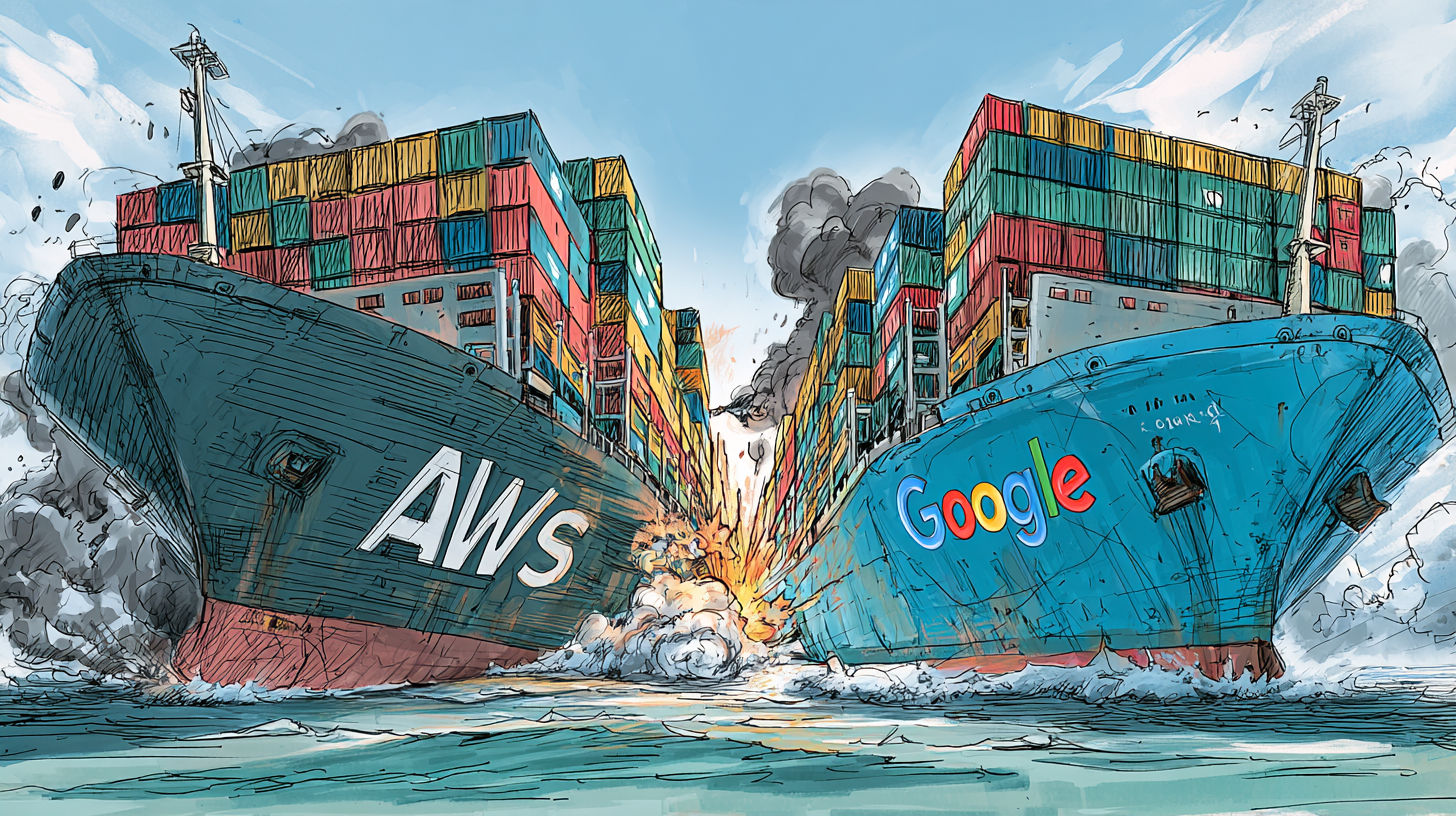
Managed Kubernetes: EKS Auto Mode & GKE Autopilot vs. Standard
Running Kubernetes well is deceptively hard. The control plane is just the beginning — you still have to care about node pool sizing, OS patching, add-on upgrades, autoscaler tuning, CNI compatibility, observability, and a hundred other things that have nothing to do with your actual workloads. Both AWS and Google Cloud have responded to this with “managed mode” cluster variants: EKS Auto Mode and GKE Autopilot. The pitch is the same: hand us the node layer and we’ll keep it running, just the way you they like.

Gemma 4 — Local AI for Development
Google’s Gemma 4 is a surprisingly powerful local agentic AI model that can run on local hardware, making it a very welcome addition to my programming suite of tools. In this Blog I will cover my experience with Gemma 4, how to set it up, and some of the things I have been using it for. I will also cover some of the limitations and challenges I have faced with using a local agentic AI model.

Time Traveling Containers
All my projects start in the same manner, a cool little script, an idea or technology I want to work with or just something curious to me. The literal second I have something compiling I (or the AI Model of the week) would make a Dockerfile for it.
However, a while ago I was working with Google’s BuildPacks, a way to containerize applications for Google Services supporting Multiple languages. I pulled the latest version and …..

GCP Professional Architect Exam 2026
The following are my notes / thoughts and guide to passing the Google Cloud Architecture exam in 2026.
I am unable to post direct questions / examples / answers I can only talk through tips, advice, tricks and topics I found useful.
ANY Listed examples/answers are made by myself based on how I interpret Google’s documentation and how I would answer such a situation!
Helpful links:
As always please refer to the exam certification page for details and guidelines: https://cloud.google.com/learn/certification/cloud-architect
SRE Calculators
In this blog I will cover the three calculators I relied on during my time in SRE and that I continue to use as a Cloud Engineer.
What is SRE?
Site Reliability Engineering - “SRE is what you get when you treat operations as if it’s a software problem.” - SRE Google
Unlike the traditional DevOps philosophy of development and operations being under the same team handling all application operations, the goal of Site Reliability is the practical management of operations while teams are implementing features or new developments.

Developers and the Bill
I have always worked with or in Cloud/Platform teams aspiring to charge back developers for the cost of the cloud resources they consume, but I have never seen it effectively implemented. And while I do not encourage a blameful FinOps team hunting down teams for deploying a first cut application that reached high customer engagement. It is nice when others are mindful to help correctly size an application, opt for scheduling their instances and checking queries/APIs before rushing ahead.

Starting Point
This is the first post while building out the website, a lot will change over the coming weeks as I add:
- Better CI/CD
- AWS Hosting not just GCP
- SRE Monitoring and Clear Objectives (I love bringing chaos to systems I build)
- Open up the Github Repository
- Add interesting things I have noted over my last 5 years while consulting DevOps/Cloud/Platform Engineering
Where are we now?
Right now this website was built by a backend engineer (Who has some growing respect to front-end devs), built in Hugo, using Bootstrap 5.3 in the base template written again by the very same backend engineer, currently hosting out of Google Cloud Platform (GCP).